
Most offices should book professional carpet cleaning every 6 to 12 months. If your workplace has high-traffic areas like reception or hallways, you’ll probably want to bump it up to every 3 to 6 months.
The trouble is, most businesses don’t think about their carpets until a stain shows up, or the office starts to smell a bit off. At that point, the dirt has already worked its way deep into the fibres. At https://urbanclean.com.au, we provide commercial carpet cleaning right across Australia, and we see this happen all the time.
What many people don’t realise is that carpets act as a filter for your office. They collect dust, bacteria, allergens, and whatever gets tracked in from outside. Over time, all of that will start affecting the air your team breathes every day.
And waiting until carpets look dirty before you call someone will actually cost you more. So what does a proper workplace cleaning schedule actually look like for carpet? We’ll break it down into something simple you can stick to, starting with different cleaning needs for different office zones.
Carpet Cleaning Frequency by Office Zones
Let’s face it, not all of your office carpets don’t need the same level of attention. Some areas, like the reception, handle heavy foot traffic every day, while storage rooms may go days without anyone walking through them.
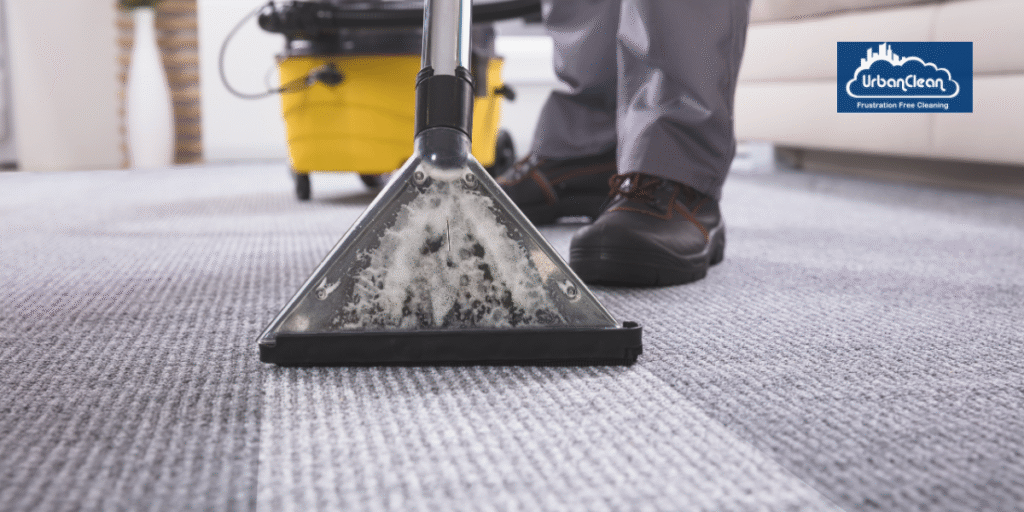
So here’s how you should look at each area clearly, so nothing gets missed.
Match Your Cleaning Plan to Carpet Use
Start by looking at how each space in your office is used during the week. Your reception area, as we mentioned, sees constant foot traffic from staff, visitors, and couriers. In contrast, meeting rooms may be busy for a few hours and then sit empty. And storage rooms and back offices might only have someone walk through once or twice a day.
This is why a blanket cleaning approach doesn’t work well. You’ll either spend too much on areas that don’t need it, or you’ll neglect the spots that really do. For this reason, it makes more sense to adjust your cleaning routine based on how much use each space actually gets.
Recommended Carpet Cleaning Schedule by Zone
Once you know how each area gets used, you can set up a schedule that makes sense. We’ll share our simple framework you can follow.
High Traffic Areas (reception, hallways, kitchens)
Daily vacuuming is a must for these spaces. This is because people walk through these areas constantly, so dirt and bacteria accumulate faster than anywhere else in the office. We also recommend booking a deep clean every 1 to 3 months to keep these areas looking and smelling fresh.
Medium Traffic Areas (meeting rooms, open plan desks)
A weekly vacuum handles most of the buildup here, with a deep clean every 3 to 6 months to maintain that polished look. These rooms see steady use during business hours but get a break overnight and on weekends. That slower rhythm means dirt accumulates more gradually than in your main walkways.
Low Traffic Areas (storage rooms, executive offices)
You’d be surprised how little attention these spaces actually need. With so few people using them, dust is really the only thing to watch out for. So vacuuming every two weeks will keep it under control, and a deep clean once or twice a year can remove buildup and refresh the space.
Build an Effective Workplace Cleaning Schedule
Carpet cleaning fits better when it is part of your overall office maintenance instead of being handled as a separate task. We mean to schedule it alongside other routine tasks like window cleaning, hard floors, and bathroom upkeep.
For example, you might set up a single cleaning visit on Friday morning from 9:00 a.m. to 1:00 p.m. During that time, the team will start with window cleaning, then move to hard floor care like mopping or polishing. Finally, they’ll finish with bathroom upkeep by disinfecting sinks, toilets, and mirrors.
So, instead of booking three separate visits on different days, everything happens in one planned block. This makes the schedule clear, predictable, and easier to manage.
Sample Quarterly Cleaning Calendar for Offices
Planning carpet cleans around the calendar helps you stay ahead of wear and tear. Here’s a simple quarterly rhythm that works for most offices.
January: Entryway Deep Clean
After the holiday rush, your entrance areas usually show more wear and tear from heavy foot traffic. All those extra visitors over December leave their mark on the carpet. A deep clean now will set a fresh start for the year ahead.
April: Full Office Spring Clean
Autumn is the perfect time to reset your whole workspace. So book your carpet cleaning, upholstery cleaning, and window cleaning all at the same time. Trust us, everything will feel lighter once the summer dust and grime are gone.
July: Staff Room Refresh
Food spills, coffee drips, grease on counters, and crumbs in corners can slowly build up on surfaces and under appliances without staff noticing right away.
A deep clean can remove that hidden buildup and restore these areas to a hygienic and comfortable condition for everyone. Because kitchens and break rooms are used every day, midyear is often a good checkpoint.
October: Lease Prep or Pre-Christmas Clean
Lease inspections usually happen around this period, and clients often visit right before the holidays. Because of that, first impressions carry extra weight. Getting your office polished now means you’ll be ready for both.
Choosing the Right Cleaning Service: DIY vs. Professionals
Your team can handle basic carpet care like vacuuming and wiping up spills. But when dirt builds up deep in the fibres, you need professional cleaners with the right equipment to get it out properly.
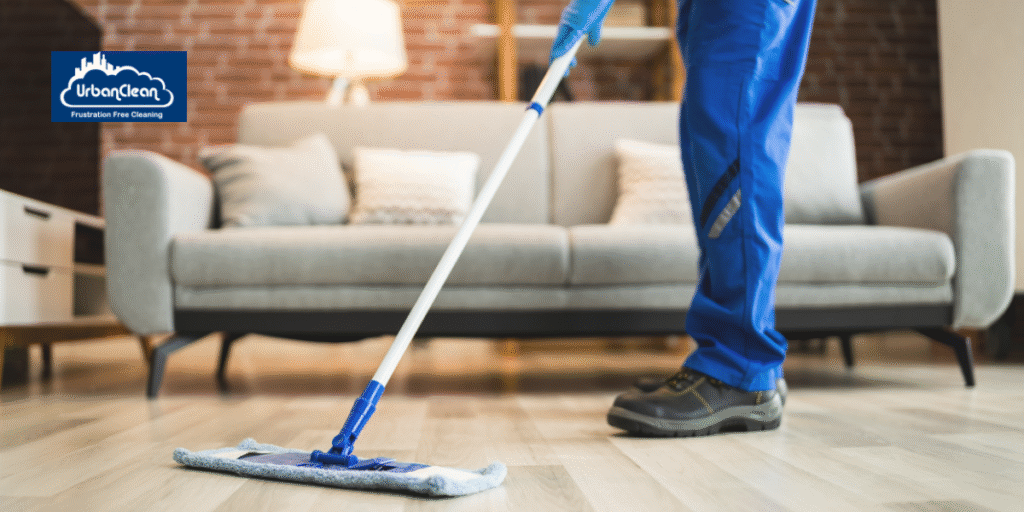
Let’s look at how to split the work so you get the best results without overspending.
When Can Your Team Handle the Job?
Daily maintenance is something most offices can take care of themselves. Regular vacuuming, for example, will keep surface dirt from settling into the fibres, and quick spot cleaning can stop small spills from turning into permanent stains. These simple tasks don’t require special equipment or training, just consistency.
For this to work well, your team needs the right supplies on hand. Usually, a decent vacuum, some clean cloths, and a mild carpet cleaner are enough to cover most day-to-day situations. Anything beyond that will need professional equipment and stronger treatments to get the job done properly.
When You Need Professional Cleaners
Once dirt settles into the carpet backing, regular vacuuming cannot remove it completely. In that case, professional cleaners use steam extraction and commercial-grade equipment to lift out dirt and debris hidden deep inside the fibres.
They also treat lingering odours and apply allergy-safe solutions that are not available in store products. These allergy-safe solutions are especially helpful if you want to reduce dust mites, pet dander, and other common indoor allergens that often build up in carpets.
Our team has found that carpets cleaned professionally two to three times a year can last about three to five years longer than carpets that only receive basic maintenance. That’s because the fibres stay in better condition, which slows down wear over time. Plus, the colours look fresher, and your office feels more pleasant to work in.
Ask These Questions Before Hiring
Before signing on with any provider, it’s worth having a few questions ready. The answers will tell you a lot about how they operate and whether they’re a good fit.
- Can they adjust their schedule during busy periods or after hours?
- Do they use products that are safe for people with allergies or sensitivities?
- Are they able to handle upholstery cleaning as well as carpets?
A reliable service will answer these confidently and clearly. Remember, the best providers are upfront about what things cost, with no surprise charges showing up on the invoice.
On top of that, they should be properly licensed, often with valid business permits and certifications like IICRC. And don’t forget to confirm that they carry insurance like general liability and workers’ compensation to protect you if anything goes wrong.
Stay Ahead With a Regular Carpet Cleaning Schedule
So, how’s your current carpet cleaning routine holding up? If you’ve been waiting until stains appear or odours set in, it might be time to take action earlier and stay ahead of potential issues instead.
Keeping your carpets on a regular schedule comes with a few solid benefits. For starters, you’ll save money because well-maintained carpets last longer and need replacing less often. On top of that, your team will get to work in a healthier space since regular cleans remove dust, bacteria, and allergens before they pile up. And when clients visit, they’ll notice the difference straight away.
To others, your workplace cleaning schedule is a sign that your business takes pride in its environment and looks after the people who use it.
Not sure where to begin? Have a quick chat with your current provider or reach out to a professional team nearby. Most offer free consultations to help you work out what your office actually needs. If you’re looking for reliable commercial carpet cleaning across Australia, Urban Clean can help. We’ll put together a plan that suits your schedule and your budget. Call us on 1300 787 745 to get started.